collection

Exhibition of Miniature
Sculptures

Pernegul Omarova

The Yurt

The Yurt

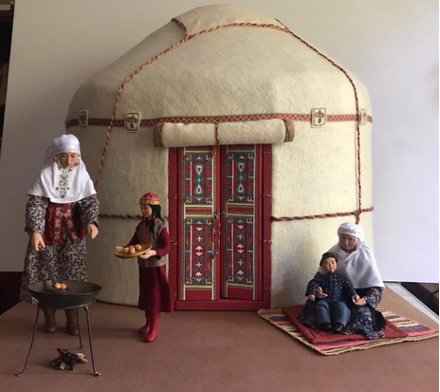
The yurt is the pinnacle of nomadic civilization, embodying the harmony between humanity and nature. More than just a portable dwelling, it serves as a model of the universe: its circular base represents the Earth, and its dome (shanyrak) symbolizes the vault of heaven. Every detail, from the lattice walls (kerege) signifying family unity to the intricate felt patterns, carries profound meaning. The yurt is a symbol of hospitality and the unbreakable bond of time, where the past, present, and future of the Great Steppe meet under a single roof.

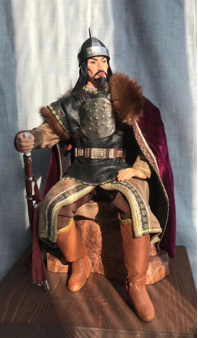
Kenesary Khan

Kenesary Khan

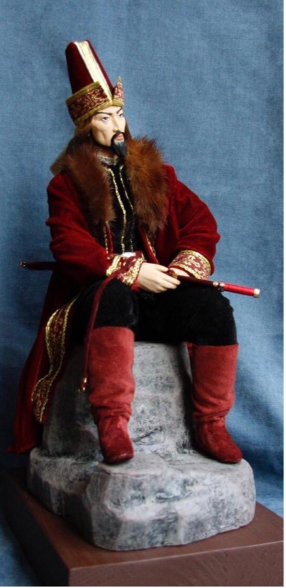
Kenesary Kasymov was the last Khan of the united Kazakh Khanate. Not only an outstanding statesman, Kasymov was also a military leader who headed the largest national liberation movement of the 19th century. Kenesary Kasymov embodies the unyielding will, strategic brilliance, and aristocratic dignity of a ruler. Today, the image of Kenesary Khan stands as a symbol of national revival, reflecting the people's eternal quest for freedom and unity.

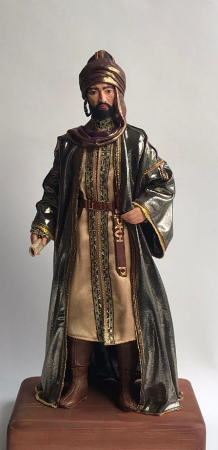
Sultan Baybars

Sultan Baybars

Sultan Baybars was the legendary ruler of Egypt and Syria and an outstanding military commander whose name remains a symbol of invincibility and valor. A native of the vast Desht-i-Kipchak steppes, he rose from a Mamluk warrior to a Great Sultan who halted the Mongol invasions and the Crusades. His figure embodies the iron will of a warrior and the wisdom of a statesman.

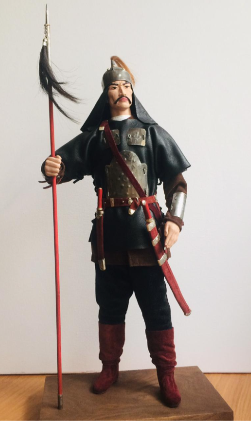
Kazakh Batyr

Kazakh Batyr

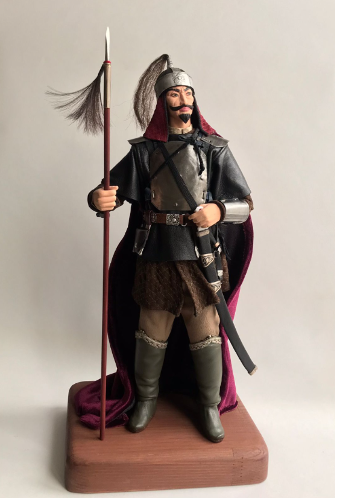
A batyr is not merely a warrior; he is the living shield of his people and a symbol of unshakable honor. The presented figure displays full martial equipment, from chain mail to bow and spear. The image of the batyr reminds us of heroic eras when the fate of the nation was decided at the edge of the sword, and when unity and valor were the guarantees of preserving the Great Steppe for future generations.

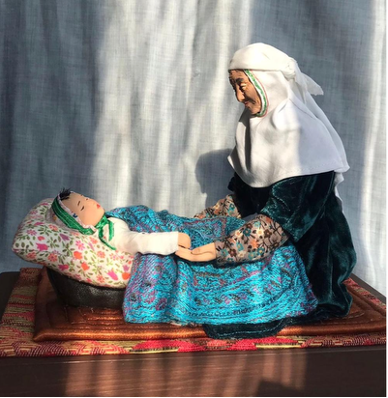
Grandmother's Lullaby

Grandmother's Lullaby

A lullaby is the first spiritual bridge between generations. The rhythm of the cradle (besik) symbolizes the very pulse of life and the continuity of traditions. Through the «Besik Zhyry» (Cradle Song), a child was instilled with love for their native land, respect for their ancestors, and purity of thought. This image serves as a reminder that the upbringing of a person and the preservation of the national spirit begin within a grandmother's warm embrace and her quiet, prayer-like song.

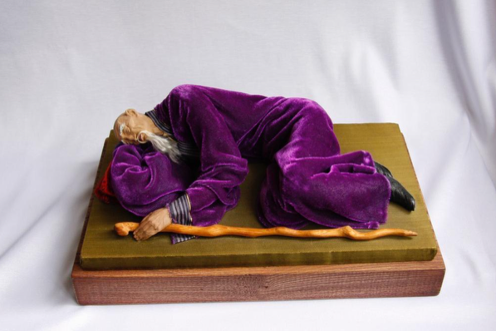
An Engaging Conversation

An Engaging Conversation

This scene captures a moment of sincere human connection. The exhibit symbolizes the continuity and exchange of energy, whether it be the passing of life wisdom from elder to younger or a friendly exchange of ideas. Every gesture and tilt of the head reflects mutual respect and deep immersion in the speaker's world. It is a reminder that through profound, meaningful dialogue, culture is built and the bonds of humanity are strengthened.

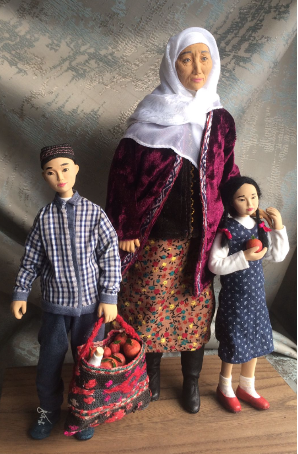
Grandmother came from the aul

Grandmother came from the aul

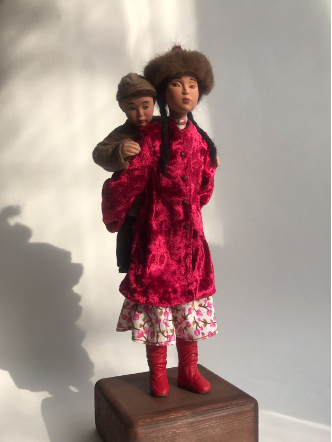
This scene captures a moment of meeting filled with warmth and sincere joy. A grandmother's arrival from the village (aul) is more than just a family visit; it is a return to roots and traditions. Her image embodies the generosity of the native land: her bags are filled with traditional treats (bazarlyk), and her heart carries wisdom and blessings for every family member. The figure symbolizes the unbreakable bond between the city and the countryside, reminding us that a person's true wealth lies in their roots and the unconditional love bestowed by our elders.

Melody of the Aral

Melody of the Aral

This composition consists of the music of the wind whistling through the hulls of abandoned ships and the whisper of receding waves. «Melody of the Aral» is not only a requiem for an ecological tragedy but also a hymn to the resilience of the people whose destinies are inextricably linked to the sea. Within the curves of the exhibit, one can hear the echoes of the former greatness of the Aral port and the undying hope for the return of the vast waters. It is a call for humanity to listen to the voice of nature, to realize the fragility of our world, and to preserve the harmony between mankind and our environment.

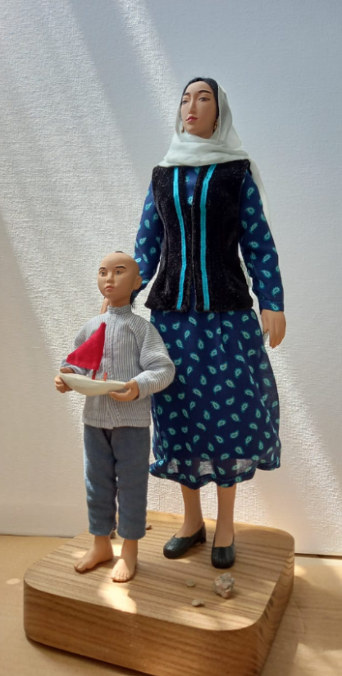
Waiting

Waiting

Waiting is more than just a lapse of time; it is a profound state of being where patience, anxiety, and unwavering faith intertwine. This figure captures a moment of stillness: a gaze fixed on the distance and a posture filled with inner focus. Whether it represents waiting for a loved one to return from a long journey or hoping for good news, this image embodies the strength of the human spirit. The exhibit reminds us that within the silence of waiting, the most sincere love is born and true devotion is tested.

Grandmother's Precious Heritage

Grandmother's Precious Heritage

This exhibit symbolizes the unbreakable bond between generations and the wisdom passed down from hand to hand. «Heritage» here represents more than just material wealth (jewelry or crafts); it is a spiritual code encompassing traditions, lullabies, and moral guidance. The figure portrays the grandmother as the ultimate guardian of ancestral secrets and family warmth. Her hands, weathered by years of labor and love, symbolize the foundation upon which the upbringing of future generations and the preservation of national identity rest.

Elder sister

Elder sister

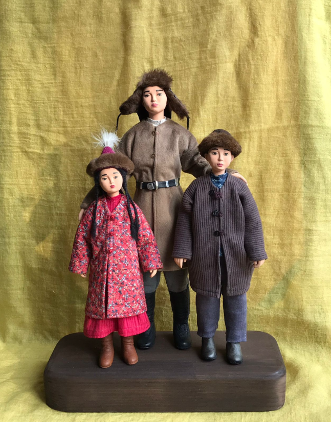
The exhibit embodies the image of the sister as a symbol of tenderness, sincerity, and emotional warmth within the family hierarchy. In traditional culture, a sister is not only a person to be protected but also a future guardian of the hearth, personifying the bond between homes and generations. The figure conveys grace, inner purity, and the special creative energy that unites loved ones. The image of the sister serves as a reminder of the importance of empathy and unconditional support, which form the foundation of family harmony.

Elder brother

Elder brother

The exhibit demonstrates the traditional role of the eldest son in the family as a vital link between generations. In many cultures, the elder brother acted as a «second father», bearing responsibility for the well-being of his younger siblings and the preservation of family traditions. The figure embodies strength, a readiness to protect, and the weight of early responsibility that rests upon the shoulders of the firstborn.

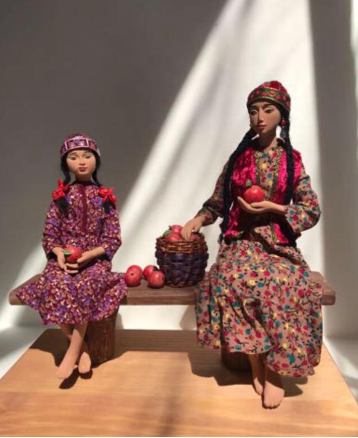
The Apple

The Apple

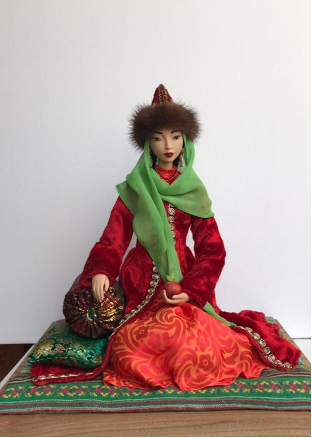
The apple is more than just a fruit; it is a multifaceted symbol deeply rooted in the history of Kazakhstan. As the genetic homeland of all apples on Earth, the foothills of the Trans-Ili Alatau gave the world the original taste of the wild Sievers apple. In this exhibition, the apple stands as a symbol of fertility, hospitality, and prosperity. This image is inextricably linked to the cultural identity of Almaty – the «city of apples» – whose name honors this noble fruit, serving as a living bridge between nature and human civilization.

The Mirror

The Mirror

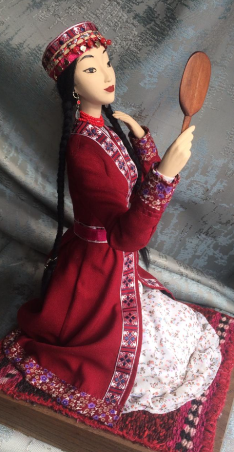
The mirror is a silent witness to history and a metaphor for self-discovery. In this exhibition, it symbolizes not only the reflection of outward beauty but also the depth of the human soul. It invites the viewer to a dialogue with themselves: to see the connection between eras in the reflection, to realize their identity, and the fleeting nature of the moment. It is a symbol of honesty, purity of thought, and the eternal human desire to know one's true essence.

In the Apple Orchard

In the Apple Orchard

The exhibit embodies an atmosphere of abundance and harmony typical of the Alatau foothills. It is a place of creation where time slows down, allowing one to feel a connection with their native land. The image of a blooming or fruit-bearing orchard reminds us that life requires care, patience, and love to yield its sweetest gifts.

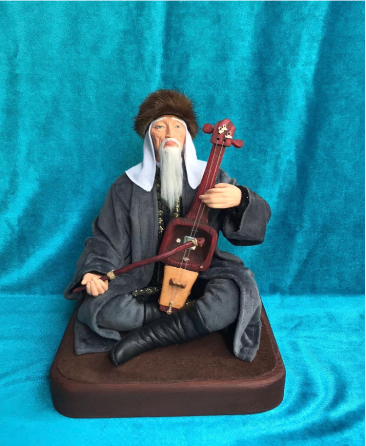
Korkyt Ata

Korkyt Ata

8th–9th c.

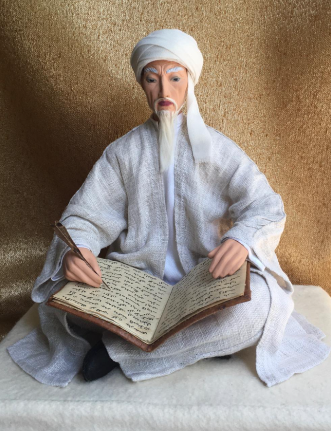
Korkyt was a legendary sage, great poet, küyshi (composer and performer of traditional instrumental music), prophet, and baksy (shaman), who came from the Oghuz-Kipchak tribes and lived along the banks of the Syr Darya River. He is regarded as the creator of the kobyz, an ancient bowed string musical instrument. This remarkable figure became a spiritual heritage shared by many Turkic-speaking peoples. In Kazakh tradition, he is called Korkyt Ata. His life and persona are closely intertwined with numerous legends created by oral tradition. There is also a historical literary monument of the 14th century, The Book of Dede Korkut.

Kyz Zhibek

Kyz Zhibek

16th–17th c.

Kyz Zhibek is the Kazakh «Romeo and Juliet», one of the oldest and most beautiful works of Kazakh oral literature. The epic is based on historical events of the 16th-17th centuries – a turbulent period when the Kazakh steppe suffered greatly from internal conflicts and strife. Their pure and devoted love became an eternal symbol of fidelity and deep affection.

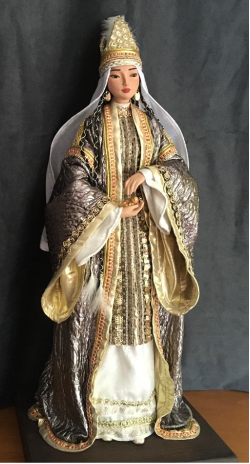
Tomyris, Queen of the Saka

Tomyris, Queen of the Saka

circa 570–520 BCE

Tomyris (circa 570-520) is the legendary ruler of the Massagetae and a symbol of the unyielding will and courage of steppe women. In world history, her name is inextricably linked to the victory over the powerful Persian King Cyrus the Great. This figure embodies not only royal grace but also the steely determination of a defender of the motherland. The golden attire and Scytho-Saka "animal style" emphasize the grandeur of the ancient nomadic civilization.

Abylai Khan

Abylai Khan

18th c.

Abylai Khan was one of the most prominent political figures of the 18th century. Possessing a strong character and lofty spirit, Abylai Khan proved himself to be a wise and far-sighted politician, skilled diplomat, brave warrior, and talented military leader. Relying mainly on the support of the people's batyrs (heroes), he made significant efforts to fully liberate Kazakh lands that had been occupied by the Dzungars. In terms of foreign policy, Abylai Khan maintained a powerful army, strengthened the defensive capacity of the Kazakh Khanate, and strove to preserve its independence.

Koblandy Batyr

Koblandy Batyr

15th c.

Koblandy Batyr – was a legendary leader of the Kara-Kipchak clan and a prominent military commander of the 15th century. Under the Khan of the Blue Horde, Abulkhair, he held a high position and led a campaign against the rebellious Nogai clans. He is the hero of legends and the central figure of the literary epic «Koblandy Batyr».

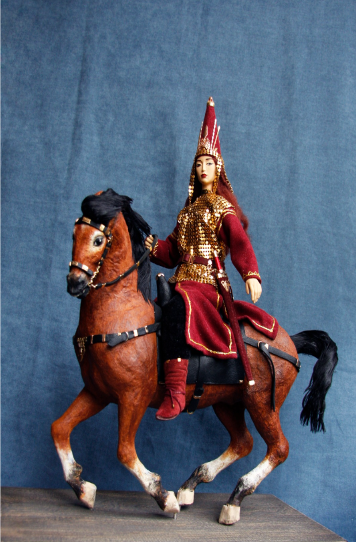
Woman Warrior

Woman Warrior

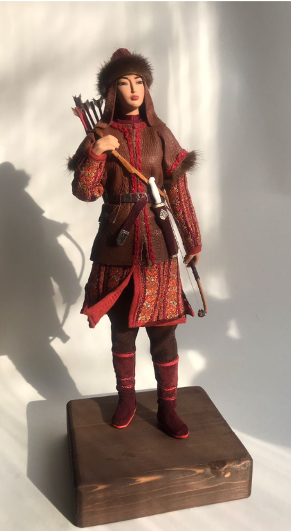
The ancestors of the Kazakhs, who lived across vast territories, raised not only proud sons but also courageous daughters. Equal in bravery and martial skill to the most renowned batyrs, these women warriors defended their homeland with dignity and courage.

Amanat

Amanat

Amanat (Hostage) – was a custom that played a significant role in the history of nomadic peoples. This custom was also connected with political agreements between warring states, peoples, tribes, and clans. It served as a symbol of unity, friendship, and truce. After a treaty, one party would send a noble or respected hostage as a guarantor of peace and mutual understanding. Often, the hostages were children of prominent individuals – khans, sultans, or elders. Despite their status as honored prisoners, the lives of these hostages could be exposed to serious danger.

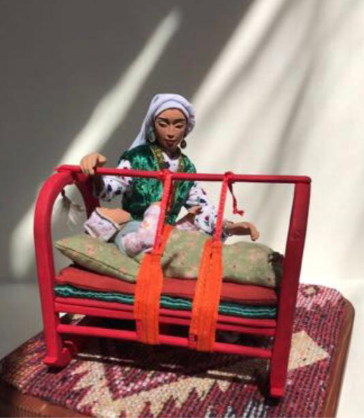
Lullaby

Lullaby

The lullaby is one of the oldest genres of oral folk art in any culture. The role of the lullaby in shaping a child's character and personality is truly unique. The image of the cradle remains in the child's mind as the coziest and safest place.

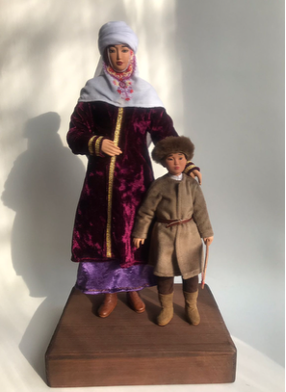
The First Grandchild

The First Grandchild

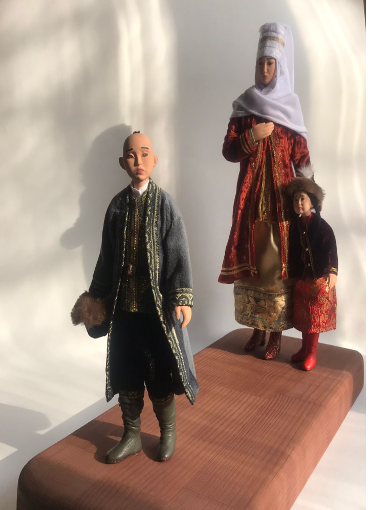
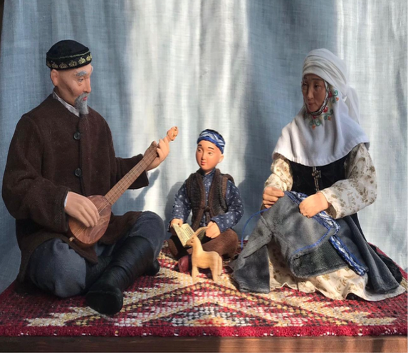
This composition reflects the special place of the first grandchild in the family, surrounded by the love and care of the grandparents, as well as the continuity between generations. The first grandchild was often raised by the grandparents, receiving their guidance, values, and life wisdom. Elders told their grandchildren and great-grandchildren fairy tales, legends, and instructive stories from life, helping to shape their character and values. Through this upbringing, children grew up absorbing the history, traditions, and culture of their people from an early age.

Aisha Bibi

Aisha Bibi

11th–12th c.

Aisha Bibi (11th-12th centuries) was a figure who lived during the Karakhanid era. According to historical legend, she was the bride of Karakhan Batyr and became a symbol of beauty and love. It is said that on her way to meet her beloved, she was bitten by a snake and passed away. In her honor, the Aisha Bibi Mausoleum –renowned for its unique ornamental decoration – was built near Taraz. Today, the Mausoleum of Aisha Bibi is a place of pilgrimage: women come here to pray for marital happiness and the blessing of motherhood.

Khoja Ahmed Yasawi

Khoja Ahmed Yasawi

12th c.

Khoja Ahmed Yasawi was a revered Sufi philosopher, outstanding poet, and religious preacher of the 12th century, widely recognized throughout the Muslim world. He promoted Sufi teachings and established his own spiritual school. Through his work Divan-i Hikmet, he widely spread the ideas of Sufism. In the 14th century, the great commander Timur, who regarded Yasawi as his spiritual mentor, ordered the construction of a magnificent mausoleum over his grave. Today, this structure is considered a unique architectural monument and an important historical and cultural heritage site.

Asan Kaigy

Asan Kaigy

14th–15th c.

Asan Kaigy was a prominent 14th-15th century thinker and philosopher, an improvisational poet, sage, diplomat, and eloquent orator. He was revered as a spiritual protector of the steppe and defender of his people. During the decline of the Golden Horde, he was one of the influential biys (judges and advisers) under Khan Ulugh Muhammad in the Kazan Khanate. Asan Kaigy was also known as a great küyshi (composer and performer of traditional instrumental music). His musical works – «El Ayrylğan», «Asan Kaigynyn Zary», «Zhelmaya's Journey», and «Zar» – are still performed today.

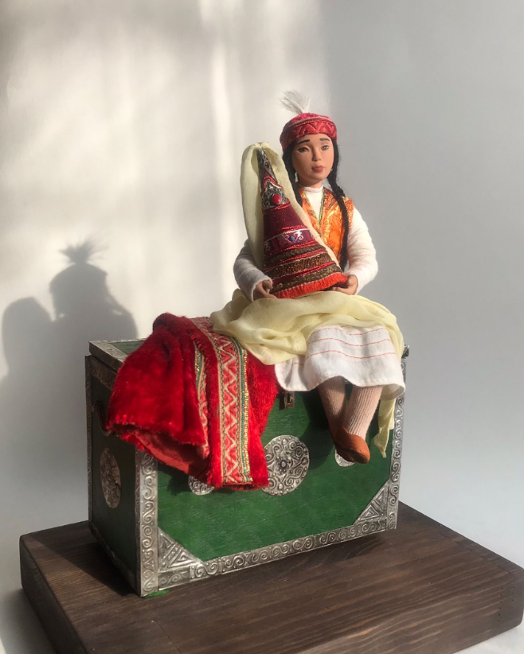
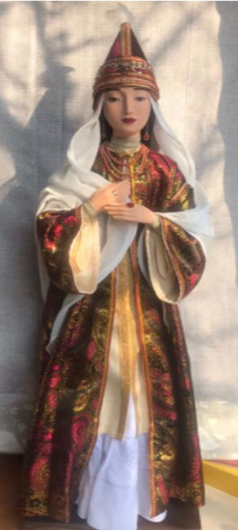
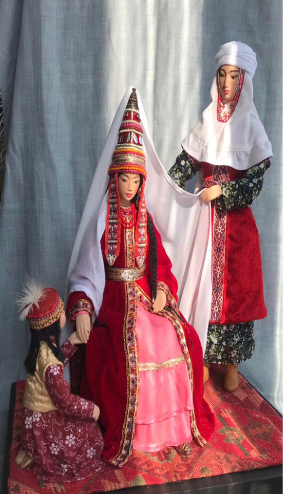
The Bride in Säukele

The Bride in Säukele

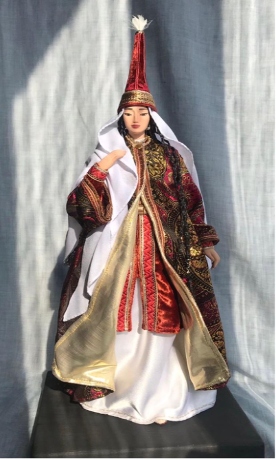
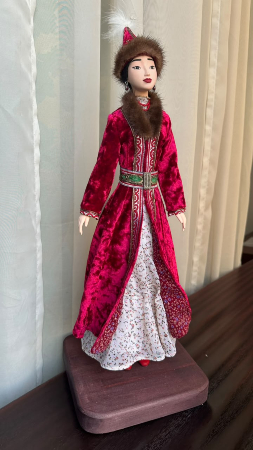
Säukele is a traditional headdress worn by Kazakh brides. It was considered the most ornate and ceremonial headpiece, worn by a girl at the moment of her wedding and when leaving her parental home. The historical roots of the säukele go back to ancient times. Researchers note that its design is connected to the headwear of the royal family of the Saka period, as well as women of the Turkic and Kipchak peoples. The säukele is a tall, cone-shaped headdress. It is usually decorated with silver sholpy pendants, precious stones, pearls and beads, as well as embroidered patterns in gold thread.

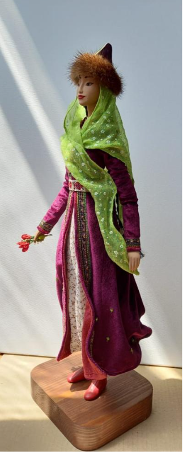
Steppe Breeze

Steppe Breeze

Spring. The sun has just risen, casting a soft pink light over the steppe. Light, airy clouds, touched ever so slightly by the color of dreams, drift into the distance. Carried by a gentle breeze, they seem to glide toward happiness. The same gentle breeze tenderly stirs and awakens the beautiful tulip buds. On the still-closed, sleeping flowers that adorn the entire steppe, crystal drops of dew tremble. The clear, tinkling murmur of a silver stream can be heard. The steppe comes alive. And above this magical land floats the spring «steppe breeze» – graceful, delicate, and beautiful, like love itself.

Goddess Umay

Goddess Umay

In the warm palms of the Great Mother, a child's soul sleeps peacefully. A quiet prayer is heard. A woman's voice calls out to Umay Ana. Another, and another – there seems to be no end. So, whose turn is it? To whom will she grant this happiness? Umay is the most ancient female deity of the Turkic peoples, ranked second only to Tengri. She is the protector of children and mothers in childbirth, the goddess of motherhood and the family hearth.